
comparison
Two-Piece vs Three-Piece Golf Balls: Choose by Your Scoring Priority
A practical way to compare two-piece and three-piece golf balls without assuming that layer count alone predicts performance.
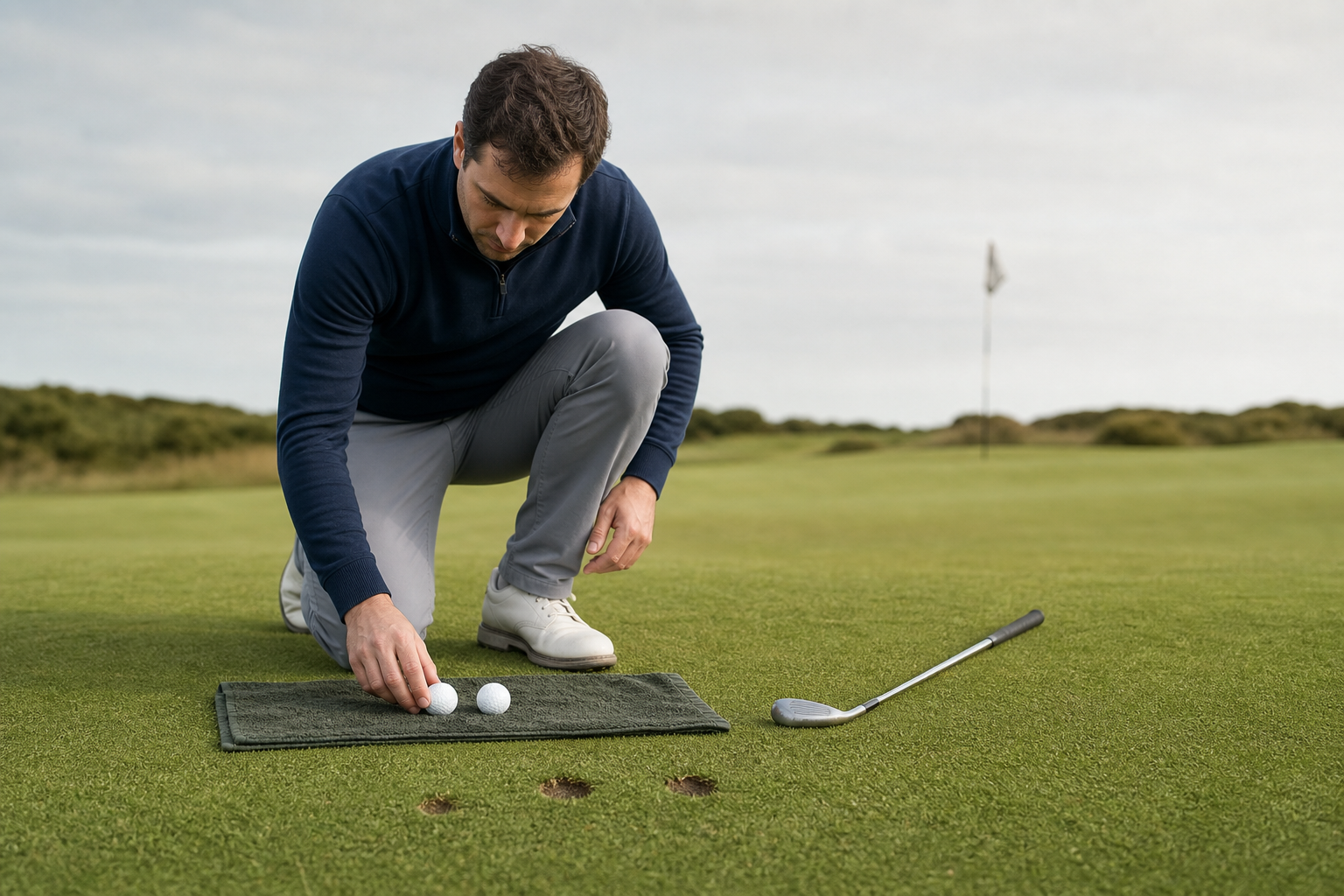
Built for: Golfers comparing golf-ball construction while balancing feel, durability, flight, and short-game control.
The frustrating part is not finding a ball labeled two-piece or three-piece; it is deciding whether that label solves the shot you actually face. Use construction as a starting point, then compare the results you can see around the green, on approach shots, and after a full round.
The quick verdict
Choose a ball by the flight, feel, cover condition, and greenside result you can repeat, not by layer count alone. A two-piece or three-piece label is useful for narrowing a search, but it is not a promise of a particular outcome.
Best for This comparison is best for golfers willing to test two candidate balls on familiar shots and keep the option that produces more predictable distance control and short-game responses.
Skip it if Skip construction-first shopping if you have not identified a problem to solve, such as lost distance control, an unwanted flight window, cover wear, or uncertain greenside release.
Start with the shot that creates the decision
A golfer who is regularly short-sided by a bunker has a different problem from a golfer whose long approaches finish in a wide, uncertain pattern. Before comparing construction, name one priority in plain language: I need a more predictable release on short pitches; I need a flight window I can trust into greens; or I need a ball that still looks acceptable after a round. That priority gives the comparison a job. Without it, a softer-feeling strike, a cleaner-looking cover, or one unusually good shot can pull you toward a choice that does not improve your scoring situation.
Guild recommendation: Write down one primary outcome and one secondary outcome before buying or testing any ball.
What the two-piece versus three-piece label can—and cannot—tell you
Layer count describes a construction category, not a personal performance guarantee. Two balls with different construction labels may still leave you with the same practical question: which one gives you a result you can anticipate on your normal strike? Likewise, two balls in the same category can create different impressions at impact or different results in your own practice. Treat the label as a way to organize candidates, then let a controlled comparison decide. The best comparison holds the club, lie, target, and intended shot as steady as possible, so the ball is the variable you are judging.
Guild recommendation: Do not select a ball solely because it has two or three pieces. Test no more than two candidates at once and repeat the test on a second day.
Match the test to feel, flight, control, and durability
Feel is immediate, but it is subjective; record it after you record where the shots finished. For flight, look for a repeated pattern relative to your intended target rather than trying to measure a perfect launch number. For short-game control, select one familiar landing spot and observe whether each ball finishes where your picture expected. For durability, inspect the cover after comparable use and separate ordinary cosmetic marks from damage that changes your confidence. These are tradeoffs because the ball that feels most pleasing on a short putt may not be the ball that produces your most predictable approach finish. Your own priority decides which compromise is acceptable.
Guild recommendation: Give your primary priority twice the weight of the other categories when you make a final choice.
Keep conforming play simple
If you play in a competition or another round conducted under the Rules of Golf, use a ball that meets the applicable equipment requirements. The USGA publishes Equipment Rules and a Conforming Ball List that identifies balls submitted and evaluated for conformance. A construction label is not a substitute for checking the relevant list when conformance matters to your event.
Guild recommendation: Confirm your exact ball model on the current applicable conforming list before a round where equipment conformance is required.
Try this · 30 minutes.
A 30-Minute Two-Ball Scoring Comparison
Bring two candidate conforming ball models, six balls of each if available, one wedge, one mid-iron, alignment sticks or clubs for a target line, and a notebook. Use a quiet practice green and a nearby approach area where the facility permits the shots you plan to hit.
- Mark one ball group as A and the other as B without relying on color or branding during the drill. Hit six chip or pitch shots with A and six with B from the same lie to one landing area, alternating groups after every two shots.
- Record only observable results: how often each group lands near the intended spot, how far it finishes from the hole, and whether the ball releases more or less than you expected.
- From a consistent approach distance, hit four to six mid-iron shots with each group toward the same target. Note start direction, carry-window consistency if you can observe it, and the size of the finish area rather than judging a single best shot.
- Inspect one ball from each group after the session and note visible cover marks or cuts. Do not treat one scuff as a verdict; use it as one part of the decision.
- Repeat the comparison on another day before choosing. Keep the ball that gives you the more predictable response on the shot that most often costs you strokes.
What progress looks like: A useful winner is the ball that repeatedly produces a smaller and more predictable finish pattern on your priority shot, while leaving you comfortable with its feel and visible cover condition.
Put the guide to work
These searches are a starting point—not a substitute for the fit and comparison criteria above.
Compare two-piece candidates
Use this search after deciding that predictable full-round results and visible cover condition are the outcomes you want to compare.
Compare three-piece candidates
Use this search after deciding that you will judge candidates on your own approach and greenside results rather than assuming the extra layer determines performance.
Build a fair practice comparison
Use this search only if you need enough matching balls to alternate shots and reduce the influence of one unusually good or poor strike.
If you buy through these links, Guild of Golf may earn a commission at no extra cost to you.
The practical takeaway
- Two-piece and three-piece labels are useful starting categories, but neither label alone predicts the result you will see on the course.
- Choose a candidate based on one scoring priority, then compare it on a repeatable shot from a familiar lie.
- Record finish patterns before relying on feel, because a pleasing strike is not automatically a more controllable result.
- For play governed by the Rules, verify that the exact ball model meets applicable equipment requirements.
Frequently asked questions
Is a three-piece golf ball automatically better for short-game control?
No. Layer count alone does not establish the result you will get on a chip, pitch, or approach. Compare two candidates from the same lie to the same landing area and choose the one whose release you can predict more reliably.
Should a golfer who values durability automatically choose a two-piece ball?
No. Assess durability directly by comparing visible cover condition after comparable use. If cover appearance or damage affects your confidence, make that an explicit part of your test rather than assuming construction settles the question.
How many balls should I test before deciding?
Use enough shots to see a pattern rather than trusting one standout strike. A practical starting point is six short-game shots and four to six approach shots with each candidate, followed by a second session on another day.
Do I need to check whether my golf ball conforms?
Check when you are playing in an event or situation where the Rules require conforming equipment. The USGA Equipment Rules and Conforming Ball List are the supplied references for that verification.
Sources used for this draft
- USGA Equipment Rules — Golf balls used under the Rules must meet applicable equipment requirements.
- USGA Conforming Ball List — The list identifies balls submitted and evaluated for conformance.
Guild of Golf may earn a commission from qualifying purchases made through shopping links, at no extra cost to the buyer.